
TOOL HANDLE MATERIALS: FIBERGLASS VS WOOD VS STEEL
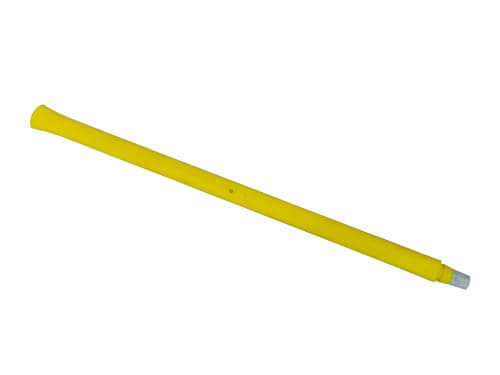
The handle is the primary interface between a tool and its user. It determines comfort, control, safety, and longevity. While the head of a hammer or axe gets most of the attention, professionals know that handle selection is equally important. This guide compares the three most common handle materials used in professional-grade tools.
WOOD HANDLES: THE TRADITIONAL CHOICE
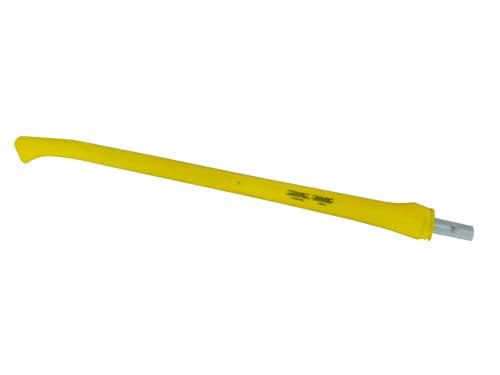
Wood, particularly American hickory, has been the standard tool handle material for centuries. Hickory offers an excellent combination of strength, flexibility, and natural shock absorption. It absorbs vibration better than most synthetic materials, reducing hand fatigue during prolonged use. The FerroLink S-284 Hickory Axe Handle exemplifies the qualities that make wood handles enduring favorites among professionals.
Advantages of wood handles include natural grip texture, excellent shock dampening, easy replacement and reshaping, and a comfortable feel in both hot and cold conditions. However, wood handles require periodic maintenance to prevent drying and cracking. They can also break under extreme stress and are susceptible to moisture damage if not properly sealed.
FIBERGLASS HANDLES: THE MODERN STANDARD
Fiberglass composite handles have become the industry standard for many professional tools. They offer superior durability compared to wood, resist weather and chemical exposure, and will not rot or dry out. Fiberglass handles are also more consistent in quality since they are manufactured to precise specifications.
The primary advantages of fiberglass are its resistance to breaking, weather resistance, consistent manufacturing quality, and the ability to incorporate rubber overmolds for improved grip. Tools like the FerroLink F-10 Professional Claw Hammer use fiberglass handles with rubber grips that combine vibration dampening with a secure hold.
STEEL HANDLES: MAXIMUM DURABILITY
Solid or tubular steel handles provide the ultimate in handle durability. They are virtually indestructible under normal use conditions and are common in demolition tools and industrial applications where handle failure could be dangerous. Steel handles can also be made thinner than wood or fiberglass while maintaining equivalent strength.
The main drawback of steel handles is vibration transmission. Steel is a poor shock absorber, meaning more impact energy reaches the user's hands. This can lead to faster fatigue and potential repetitive strain injuries during extended use. Many steel-handled tools address this with thick rubber grips, but the underlying vibration characteristics remain.
CARBON FIBER: THE PREMIUM OPTION
For professionals who demand the absolute best, carbon fiber composite handles represent the cutting edge of handle technology. Carbon fiber is lighter than fiberglass, stronger than steel per unit weight, and offers exceptional vibration dampening. The FerroLink W-261 Ergonomic Framing Hammer uses a carbon fiber handle that achieves up to 90% vibration reduction.
MAKING THE RIGHT CHOICE
The best handle material depends on your specific needs. For occasional use, wood handles offer the best value and feel. For daily professional use, fiberglass provides the optimal balance of durability, performance, and cost. For the highest-demand applications or users with repetitive strain concerns, carbon fiber justifies its premium price through superior ergonomics and longevity.
HANDLE MAINTENANCE TIPS
Regardless of material, proper maintenance extends handle life. For wood handles, apply linseed oil periodically and store tools in dry conditions. Check fiberglass handles for delamination or cracks regularly. Inspect steel handles for rust and ensure grip wraps remain secure. Replace any handle showing signs of damage immediately, as a failed handle during use can cause serious injury.
RELATED PRODUCTS
MORE ARTICLES
The Complete Guide to Industrial Hammer Types
From ball peen to sledgehammers, learn which hammer is right for your professional application. A comprehensive breakdown of hammer types, materials, and use cases.
Industry InsightsCNC Tool Selection Guide for Professionals
Essential guide to selecting the right CNC cutting tools for your machining operations. Learn about tool materials, geometries, and optimization strategies.